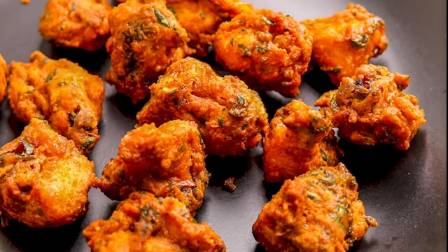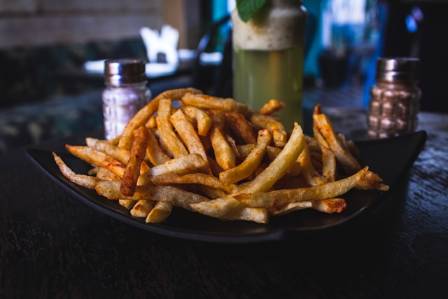
For many home cooks, deep-frying is a technique met with hesitation, often due to concerns about greasy results or safety risks. However, oil-logged food is almost always the result of improper technique—specifically, cooking at a temperature that is too low. When executed correctly, deep-frying produces exceptionally crispy, flavorful, and satisfying dishes. By mastering a few core principles, you can safely enjoy professional-quality fried appetizers and entrees in your own kitchen.
Prioritizing Kitchen Safety and Proper Equipment
Safety is the most critical element of the deep-frying process. Because large volumes of boiling oil can be hazardous, it is vital to keep children away from the cooking area and never leave the stove unattended. To minimize risks, ensure all food items are completely dry before they enter the pot, as moisture causes dangerous splattering. Utilizing a heavy, wide-based cast-iron Dutch oven is highly recommended; these vessels are stable and excellent at retaining the consistent heat necessary for a crisp exterior.
Equally important is having the right tools for monitoring and handling. A deep-fry thermometer that reaches up to 400°F is indispensable, as it allows you to track fluctuations in oil temperature accurately. For the best results, use a thermometer with a clip to keep it securely attached to the rim. To safely remove cooked items, a slotted spoon, skimmer, or "spider" is the most effective tool for allowing excess oil to drain back into the pot. Finally, never fill your cooking vessel more than two-thirds full to prevent the oil from overflowing when food is added.
Selecting the Ideal Oil and Preparing Ingredients
Choosing the correct cooking fat depends entirely on its "smoke point"—the temperature at which the oil begins to break down and burn. For deep-frying, which typically occurs between 325°F and 400°F, you must use refined oils with high smoke points, such as canola, peanut, or safflower oil. Extra virgin olive oil, while excellent for dressings, has a lower smoke point and is unsuitable for high-heat frying.
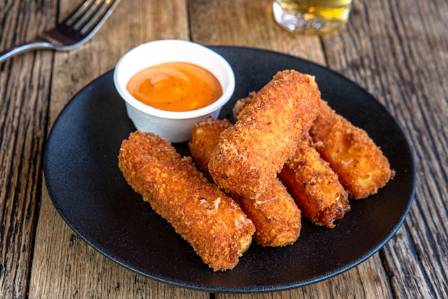
Proper food preparation further enhances the final texture. Beyond ensuring ingredients are dry to avoid splattering, applying a batter or breading serves two purposes: it creates a signature crunch and acts as a barrier that keeps the interior of the food moist. Whether using a classic beer batter or seasoned breadcrumbs, these coatings are also an excellent opportunity to introduce additional spices and flavors to your dish.
Mastering Temperature Control and Batch Cooking
Maintaining a steady temperature is the secret to non-greasy fried food. If the oil is too cool, the food will absorb the fat and become soggy; if it is too hot, the exterior will burn before the interior is cooked. Using the aforementioned thermometer, you should aim to keep the oil within the target range throughout the process.
A common error that compromises temperature is overcrowding the pot. Adding too much food at once causes the oil temperature to plummet and the liquid level to rise dangerously. To prevent this, cook in small batches and allow the oil a minute or two to return to the target temperature between rounds. As items finished cooking, place them on a sheet pan lined with paper towels to drain. It is also wise to occasionally strain out any loose crumbs from the oil, as these can burn and impart a bitter taste to subsequent batches.
Post-Cooking Oil Care and Disposal
For the average home cook, a single pot of oil can generally be reused about three times if stored properly. Over time, heat and exposure to oxygen cause the oil to degrade, lowering its smoke point and affecting its performance. While restaurants can use oil longer due to continuous heating cycles, home use involves cooling and reheating, which accelerates oxidation.
Once the oil has been used several times or begins to smell off, it should be disposed of correctly. Never pour used oil down the drain, as it can solidify and cause plumbing blockages. Instead, allow it to cool completely and seal it in a disposable container before placing it in the trash.