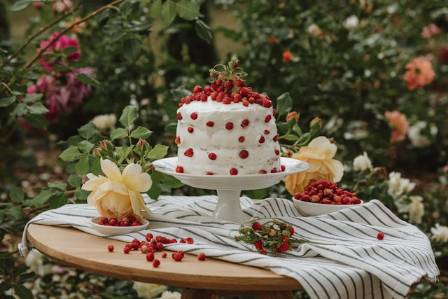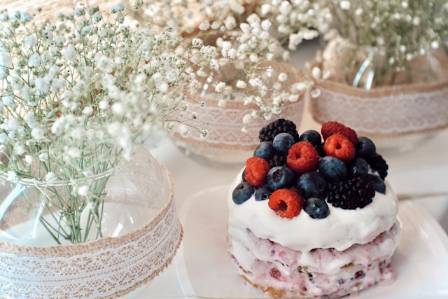
A soft and pillowy sponge cake filled with fresh cream and vibrant fruit is one of the most satisfying desserts to create. This recipe utilizes the "tang mian" or cooked-dough method, which results in an incredibly tender crumb that perfectly complements juicy slices of fruit. Unlike heavy, sugar-laden fudge cakes, this dessert focuses on a delicate balance of flavors, achieving a sweetness that is present but never overwhelming.
The Evolution of the Perfect Sponge
Many people grow up accustomed to the dense, rich cakes found in commercial bakeries. However, as tastes mature, there is often a preference for desserts that are light, moist, and subtle. The goal of this specific baking journey was to develop a sponge that maintains its structure without being dry or excessively sugary. This recipe is the culmination of that effort—a foolproof base that stays fresh and moist for up to five days when stored correctly, making it an excellent option for advanced preparation.
Fruit Selection and Layering Techniques
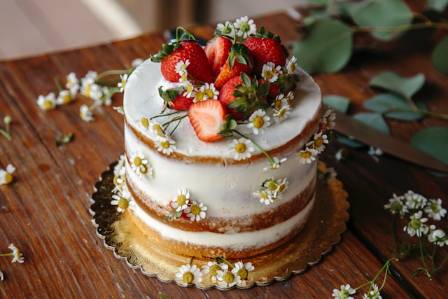
The traditional combination of kiwi, strawberries, and peaches offers a beautiful "traffic light" color palette and a natural sweetness. While fresh fruit is preferred during the summer months, canned peaches serve as a reliable and delicious alternative year-round. When assembling the cake, it is important to plan your layers according to the variety of fruit you intend to use. For a three-fruit assortment, a four-layer sponge is ideal to ensure every filling is properly encased. If you accidentally slice your cake into fewer layers, the trimmed "domes" from the top of the cake can be repurposed as an extra layer to maintain the height and presentation.
Elevating the Presentation
For those looking to turn a simple cream cake into a centerpiece, optional decorations can make a significant difference. A chocolate lace collar provides an elegant, professional touch, and garden-fresh edible blooms can add a natural sophistication. While these additions are not required for the flavor, they elevate the aesthetic for special occasions. Success with these techniques often comes down to the temperature and consistency of the ingredients rather than complex technical skills.
Recipe and Preparation Guide
To create the egg yolk base, gently warm 65g of oil and whisk in 180g of sifted cake flour. Incorporate 200g of milk and 55g of sugar before removing from the heat and whisking in six egg yolks one by one. Finish with a pinch of salt and a teaspoon of vanilla. Separately, whip six egg whites with 1/2 teaspoon of cream of tartar, gradually adding 130g of sugar until stiff peaks form. Fold the two mixtures together gently to preserve the air, then bake in a lined 8-inch pan using a water bath at 150°C for approximately 80 minutes. Once baked, a quick tap of the pan on the counter will help prevent the delicate structure from shrinking as it cools.