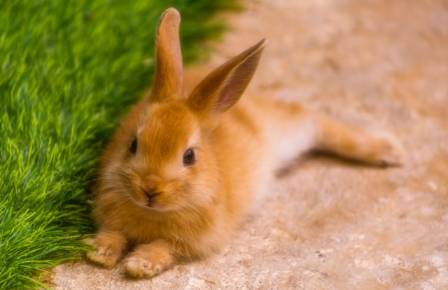
Those who spend time in animal sanctuaries often witness the intricate personalities and distinctive habits of the residents. Rabbits, in particular, are remarkable individuals with a depth of character that many people have yet to discover. To help bridge this gap and celebrate these animals, the following collection of facts highlights what makes rabbits so unique and deserving of our appreciation.
Expressive Movements and Vocalizations
One of the most charming behaviors a rabbit displays is known as a "binky." When a rabbit experiences intense joy, they perform a spontaneous dance by leaping into the air and twisting their body. This acrobatic display is a clear sign of a very happy animal.
Rabbits also have a unique way of expressing contentment that is often compared to a cat’s purr. This sound is actually produced by a gentle grinding of their teeth. While soft grinding indicates relaxation, it is important to note that loud or forceful grinding can sometimes be a sign of discomfort. Observing the overall context of the situation helps in understanding their current mood.
Specialized Physical Traits
A rabbit's physical makeup is perfectly adapted to their lifestyle. For instance, their teeth never stop growing throughout their lives. To keep their "chompers" at a manageable length, they must constantly engage in chewing and grinding down their food.
Furthermore, a rabbit's vision is highly specialized for survival. With eyes positioned high on the sides of their head, they possess a nearly 360-degree field of vision, allowing them to detect predators from almost any direction, including from above. The only trade-off for this expansive view is a small blind spot located directly in front of their nose.

Surprising Similarities and Dietary Myths
Interestingly, rabbits share several biological traits with horses. Both species have very sensitive digestive systems with specific requirements to maintain health. Like rabbits, horses also have teeth that grow for most of their lives and are worn down through the natural process of grazing.
There are also common misconceptions regarding what rabbits should eat. Despite popular media portrayals, carrots are not a staple of a natural rabbit diet. While they might enjoy them as an occasional treat, the high sugar content in carrots can lead to health complications if consumed in large quantities.
Intelligence and Communication
Rabbits are far more clever than many give them credit for. they are capable of learning cues and associating specific sounds—such as a bell—with upcoming positive events like receiving a treat. They are also adept at solving puzzles, showing a high level of cognitive flexibility when motivated by a reward.
In addition to sounds and body language, rabbits communicate through scent. They possess scent glands in various locations, most notably under their chin. You may observe a rabbit "chinning," or rubbing their underside against objects and people. Much like a domestic cat, this behavior is their way of marking territory and claiming their environment as their own.
Diversity in Size and Perception
The world of rabbits encompasses a vast range of physical sizes. On one end of the spectrum, the Flemish Giant can reach weights exceeding 14 pounds. On the other, the tiny Netherland Dwarf may weigh as little as 1.8 pounds.
Even their perception of the world is unique. While they do not see the full spectrum of colors that humans do, studies suggest they possess the necessary ocular receptors to see shades of blue and green. This provides them with a distinct perspective on their surroundings, further emphasizing that every living being experiences the world in their own special way.