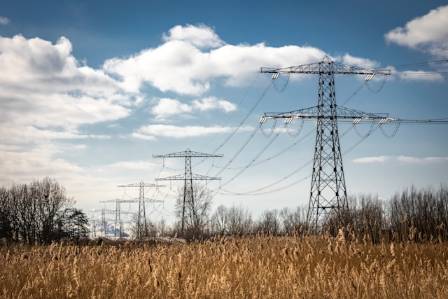
High-voltage electricity towers, often called pylons or transmission towers, are the towering frames that hold overhead power lines. Their main task is to carry electricity at very high voltages—ranging from 10kV to 500kV and beyond—across vast distances. These structures connect generating plants to substations, where energy is adjusted for safe distribution into towns, industries, and households. In short, they form the backbone of modern power grids.
Safety at the Core
Since these towers manage massive amounts of energy, safety features are essential. Grounding systems help reduce damage from electrical faults, while lightning protection shields them from strikes. Engineers also include secure ladders and platforms to allow safe inspections and repairs. Without these measures, working on or near these giants would be far too dangerous.
Key Design Traits
Modern steel towers are built for endurance. Galvanized surfaces can resist corrosion for decades, with many remaining functional for over 30 years. They’re engineered to tolerate wind speeds of up to 120 km/h and to stay upright during earthquakes or other environmental stress. Depending on terrain and requirements, towers can be self-supporting, guyed, or monopole in design. Their adaptability makes them suitable for locations ranging from urban centers to remote mountain passes.
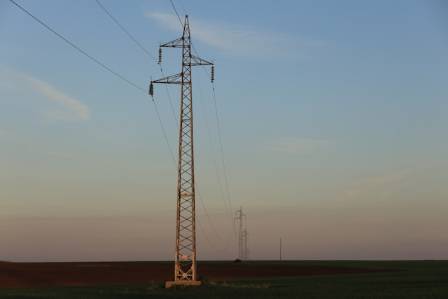
Building a Transmission Tower
Constructing one of these metal giants requires careful planning. It begins with surveying the land and testing soil strength. After laying the foundation, workers assemble the steel frames, sometimes using cranes or even helicopters for hard-to-reach sites. Once erected, conductors, insulators, and other hardware are installed. Before being activated, each tower undergoes detailed safety and quality checks to ensure reliability.
Maintenance and Inspection
Keeping towers in prime condition is vital. Regular maintenance prevents accidents and blackouts. Today, drones equipped with thermal cameras are widely used to spot overheating components or hard-to-reach damage. Engineers may also test bolt tightness, clean or replace insulators, and apply protective coatings against rust. Neglecting maintenance could lead to dangerous faults, fires, or large-scale grid failures.
Safety Rules Around Towers
These structures come with strict safety zones. Adequate ground clearance is maintained to keep lines away from people, vehicles, and vegetation. Rights-of-way—corridors where no construction or farming is allowed—ensure uninterrupted power flow. Clear warning signs and fencing remind the public of the dangers, as getting too close to live high-voltage lines can be fatal.
Shaping the Future of Power Transmission
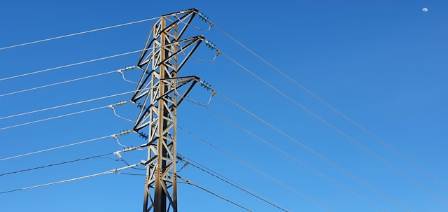
The world of energy delivery is advancing quickly. High-voltage direct current (HVDC) systems now enable low-loss transmission over long distances. Towers are also becoming “smarter,” equipped with sensors for real-time performance monitoring. Some newer designs use lightweight composite materials for flexibility, while urban areas increasingly turn to underground cables to reduce visual impact.
Conclusion
High-voltage towers are more than just metal skeletons—they are essential lifelines of our electrical world. From their sturdy designs to their evolving smart features, these giants ensure energy moves safely and efficiently across regions. As technology pushes forward, the humble pylon continues to adapt, securing its role in powering our homes, industries, and future cities.