← मुख्य पृष्ठपढ़ने का अनुमान: 3 मिनट

विस्तृत रिपोर्ट

The Loud Silence of Monuments

Monuments are more than stone or metal; they are statements made permanent. Their size and weight aren’t just aesthetic choices—they signal the importance of what they commemorate. They are built to instruct as much as to remember, asking those who come later to honor certain values and histories.

O

Olivia Carter

संवाददाता

The Loud Silence of Monuments
Monuments are more than stone or metal; they are statements made permanent. Their size and weight aren’t just aesthetic choices—they signal the importance of what they commemorate. They are built to instruct as much as to remember, asking those who come later to honor certain values and histories.
A monument is a speech act in physical form. Using semiotics, we can understand how they communicate. Charles Sanders Peirce’s categories—icon, index, and symbol—show how even mute objects carry meaning. An icon resembles what it represents, an index points directly to an event or place, and a symbol relies on cultural agreement. A monument only functions as a symbol if enough people recognize and accept its meaning; otherwise, it’s just a marker left by someone with intentions that may never take hold.
Confederate monuments, for example, are largely symbolic. They aren’t just about soldiers or battles, but about the ideology tied to them. Supporters may frame them as celebrations of “heritage” or “regional pride,” but the symbols inevitably carry the weight of white supremacy and the defense of slavery. Even if the factual chain of events is reinterpreted, the symbolic meaning depends on consensus—and that consensus has shifted.
Monuments strive to outlast memory. Built from granite, bronze, or steel, they resist decay, like tombs or gravestones. They are designed to fight against forgetting, anchoring memories in physical form. Where human recollection fades, monuments insist on permanence.
But permanence can also become oppression. For some, these structures pin down a past that continues to wound. They don’t only occupy land—they shape what counts as public space, deciding which histories are honored and which are erased. Confederate monuments, for instance, don’t just recall deaths; they honor the cause that created them, keeping alive ideologies of racial hierarchy long after slavery’s formal end.

Colonial monuments work similarly. Statues of Columbus or missionary memorials don’t just record arrivals; they enshrine conquest, forced conversion, and Indigenous dispossession. They give physical form to the idea of “manifest destiny.”
The timing of monument-building reveals intent. Many Confederate statues were erected not immediately after the Civil War, but during periods of racial tension—between 1890 and 1920, during the Great Depression, and again during the Civil Rights Movement. Their purpose wasn’t simple remembrance, but reinforcement of segregation, white dominance, and political order. Dedication speeches and inscriptions often made this explicit, praising “Anglo-Saxon civilization” or linking loyalty and bravery with racial hierarchy.
Taking down or relocating monuments is also a speech act. It isn’t “erasing history,” but answering back to it. Removal opens space for voices that were silenced when only certain memories were cast in stone. On campuses, for example, monuments and building names have been challenged as symbols of exclusion. Some universities now add plaques, rename spaces, or create scholarships to acknowledge histories of oppression. At Columbia University, for instance, a plaque now honors the Lenape people as original stewards of the land—an overdue recognition of a history long ignored.
Monuments don’t have to be discarded altogether. They can be reimagined as sites where collective memory is renegotiated. The question is whose stories they tell, whose values they uphold, and whose voices are left out. As public meaning shifts, symbols lose or gain power.
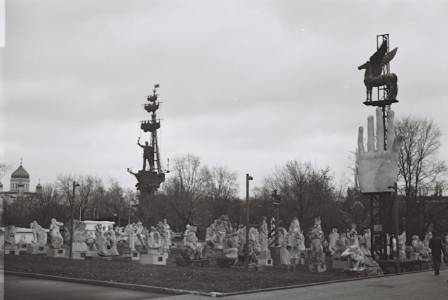
Though silent, monuments are never mute. They speak constantly about history, power, and belonging. That “loud silence” demands a response—not to destroy memory, but to reshape it toward a more just and inclusive future.


संबंधित कहानियाँ

हमारे रेनडियर – फ़िनलैंड में रेनडियर के बारे में जानें
hi

हमारे रेनडियर – फ़िनलैंड में रेनडियर के बारे में जानें

रेनडियर गर्व से खड़े होते हैं, उनके सींग ऊँचे होते हैं, जो बर्फ़ में ध्यान खींचते हैं

हेमंत
हमारे टॉप 5 हॉट डॉग रेसिपी
hi

हमारे टॉप 5 हॉट डॉग रेसिपी

ग्रिल पर जगह बनाएं, ये हॉट डॉग गंभीर हैं। तैयार चिली डॉग्स से लेकर ताजे सालसा स्लाइडर्स तक, ये हॉट डॉग रेसिपी यहां हैं यह सुनिश्चित करने के लिए कि आपके डॉग्स कभी भी साधारण न हों!

मयंक
दुनिया की सबसे ऊंची गगनचुंबी इमारतों की रैंकिंग
hi

दुनिया की सबसे ऊंची गगनचुंबी इमारतों की रैंकिंग

दुनिया की सबसे ऊंची गगनचुंबी इमारत का निर्माण लगभग 150 वर्षों से एक चुनौती रही है, जो 1885 में शिकागो में पूरी हुई होम इंश्योरेंस बिल्डिंग से शुरू होती है। तब से, गगनचुंबी इमारतें कई शहरों में उभरी हैं, जो शहरी नियोजन की जरूरतों और शक्ति और प्रतिष्ठा से संबंधित प्रतीकात्मक उद्देश्यों की पूर्ति करती हैं। आज, प्रौद्योगिकी में प्रगति के कारण गगनचुंबी इमारतें अविश्वसनीय ऊंचाइयों तक पहुंच रही हैं। आइए, हम इन ऊंची संरचनाओं की वर्तमान रैंकिंग का पता लगाएं!

तन्वी
पर्सिमन के 7 हेल्थ और न्यूट्रिशन फायदे
hi

पर्सिमन के 7 हेल्थ और न्यूट्रिशन फायदे

उनका मीठा, मखमली मांस हर निवाले में एक गर्म पतझड़ के आलिंगन जैसा लगता है।

रीता
हर मौसम के लिए एक शौक: इनडोर पौधों के 7 विज्ञान-समर्थित लाभ
hi

हर मौसम के लिए एक शौक: इनडोर पौधों के 7 विज्ञान-समर्थित लाभ

इंस्टाग्राम के हरियाली से प्रेरित इंटीरियर डिज़ाइन, प्लांट-बेस्ड पॉडकास्ट और लेज़ी फ्लोरा और ग्राउंडेड जैसी ऑनलाइन प्लांट सब्सक्रिप्शन सेवाओं के कारण इनडोर गार्डनिंग अभी भी लोकप्रियता में उछाल का आनंद ले रही है। जबकि सोशल मीडिया ट्रेंड तेजी से पनपने और फीके पड़ने के लिए कुख्यात हैं, इनडोर गार्डनिंग बाकी सभी की तुलना में लंबे समय तक चल सकती है क्योंकि घर के पौधे कई तरह से स्वास्थ्य और तंदुरुस्ती को बेहतर बनाते हैं। यहां शोध हमें इनडोर पौधों के साथ रहने और काम करने के लाभों के बारे में बताता है।

रणवीर
The Ultimate Guide to Choosing Cufflinks: Business, Formal, and Gift Recommendations
en

The Ultimate Guide to Choosing Cufflinks: Business, Formal, and Gift Recommendations

Cufflinks are an essential men’s accessory that can significantly elevate a suit and leave a refined impression. Choosing the right pair involves selecting designs that suit the occasion and wearing them appropriately. When chosen well, cufflinks enhance sophistication while respecting etiquette and personal style.

Cassian Lockhart
Watercolor Kittens and Their Backs
en

Watercolor Kittens and Their Backs

We recently welcomed Rocket, a fluffy white-and-grey kitten, into our home, which inspired me to paint a series of watercolor kittens, especially from behind—they’re just so adorable sitting quietly. This post also celebrates pet adoption, as June is National Adopt-a-Cat Month.

Riley Storm
Essential Insights Into the World of Walruses
en

Essential Insights Into the World of Walruses

Walruses are among the most magnificent wonders of the polar regions. These massive marine mammals play a vital role in the Arctic ecosystem, yet they face increasing challenges due to environmental shifts. Understanding their biology and behavior is the first step toward appreciating these unique ocean dwellers.

Clara Penelope Winslow
धीमी गति से जीना क्या है?
hi

धीमी गति से जीना क्या है?

धीमी गति से जीना एक मानसिकता है जिसके तहत आप एक अधिक सार्थक और सचेत जीवनशैली अपनाते हैं जो आपके जीवन में सबसे अधिक मूल्यवान है।

सुनीता
पेरिस लास वेगास
hi

पेरिस लास वेगास

रेगिस्तानी आसमान के नीचे, पेरिस होटल लास वेगास में एफिल टॉवर का आकर्षण लाता है।

हरिणा