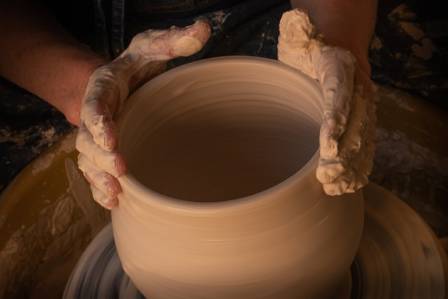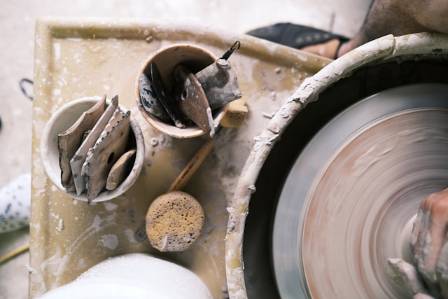
Pottery is among the most ancient and significant creative practices in global culture. It merges practical use with artistic expression, and for millennia it has reflected humanity’s deep connection with the natural world. In this article, we look at the history and modern developments of pottery, and how it continues to transform through innovation and contemporary creativity.
Pottery traditions: from early history to today
Pottery has existed since prehistoric civilizations. From the earliest periods, humans shaped clay into containers, tools, and decorative objects. Across different regions, distinct traditions and methods developed:
Ancient Egypt – pottery played an essential role in daily life, and vessels decorated with symbolic motifs and patterns have survived for thousands of years.
Ancient Greece – artisans produced not only functional ware but also artistic pieces such as amphorae and vases illustrating mythological stories. The iconic red-figure and black-figure styles became defining features of Greek ceramic art.
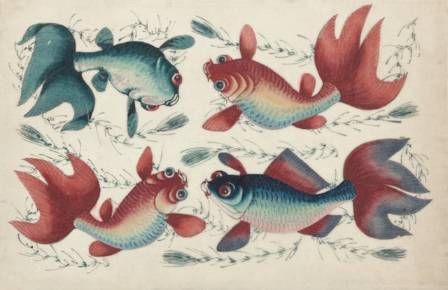
China – Chinese ceramics are renowned for refined craftsmanship, especially porcelain and elegant teapots. Masters also advanced glazing methods and intricate painting techniques.
Japan – Japanese ceramics, particularly during the Edo period, became known for styles like raku. These works often reflect the philosophy of wa, meaning “harmony” and “simplicity.”
Modern trends in pottery
In the contemporary world, pottery continues to evolve by blending traditional craftsmanship with modern innovation. Artists today experiment with new tools, materials, and concepts:
3D printing in ceramics
Modern fabrication technologies such as 3D printing allow creators to produce complex forms and textures that are difficult or impossible to achieve by hand. This expands the creative possibilities for ceramic design.
Material experimentation
Many modern artists combine clay with unconventional materials like glass, metal, or concrete, producing hybrid works that challenge traditional definitions of ceramics.
Minimalist and abstract approaches
Recent decades have seen a rise in minimalist and conceptual ceramic art. Instead of focusing on utility, artists emphasize shape, texture, and visual idea.
Sustainability and environmental awareness
With increasing attention to ecological issues, many ceramicists now use natural clays, eco-friendly glazes, and sustainable production methods, often revisiting traditional techniques with a modern mindset.
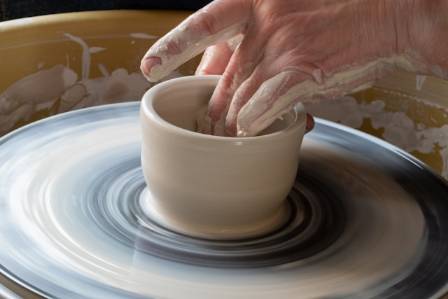
The importance of pottery today
Pottery remains deeply connected to its historical roots while actively contributing to contemporary art and design. It continues to inspire artists, designers, and craftspeople, offering endless opportunities for experimentation with form and material.
Pottery as craft and artistic expression
Unlike mass-produced goods, handmade ceramics preserve the individuality of each piece. Every object reflects the creativity, skill, and personal expression of its maker.
Artisans as tradition bearers
Modern ceramic artists not only create new works but also preserve and transmit traditional knowledge. Many continue to revive ancient techniques and forgotten methods of forming and glazing clay, ensuring the survival of this cultural heritage.
Conclusion
Pottery is more than the production of functional objects—it is a living tradition that evolves while honoring its past. Today’s ceramic artists blend ancient methods with modern technologies, keeping the craft both timeless and relevant. Each handmade piece carries history, culture, and the unique imprint of its creator.