← मुख्य पृष्ठपढ़ने का अनुमान: 3 मिनट

विस्तृत रिपोर्ट

The Global Success and Biology of the House Sparrow

The House Sparrow (Passer domesticus) is one of the most prolific and recognizable songbirds on the planet. Its strategy for survival is remarkably straightforward: it lives wherever humans do. Originally inhabiting Eurasia and northern Africa, this resilient bird has established itself in urban and agricultural landscapes worldwide. Its introduction to North America began in New York City in 1851, and since then, its aggressive and adaptable nature has allowed it to thrive in environments ranging from bustling city sidewalks to isolated farmsteads.

S

Scarlett Amelia Dawson

संवाददाता

The Global Success and Biology of the House Sparrow

The House Sparrow (Passer domesticus) is one of the most prolific and recognizable songbirds on the planet. Its strategy for survival is remarkably straightforward: it lives wherever humans do. Originally inhabiting Eurasia and northern Africa, this resilient bird has established itself in urban and agricultural landscapes worldwide. Its introduction to North America began in New York City in 1851, and since then, its aggressive and adaptable nature has allowed it to thrive in environments ranging from bustling city sidewalks to isolated farmsteads.

Physical Characteristics and Identification

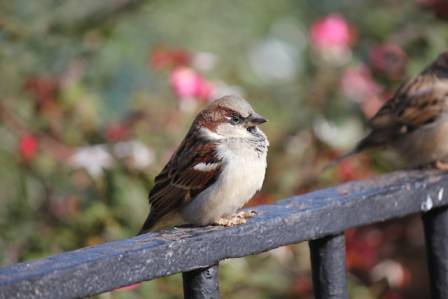
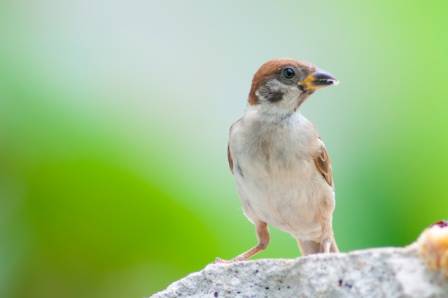
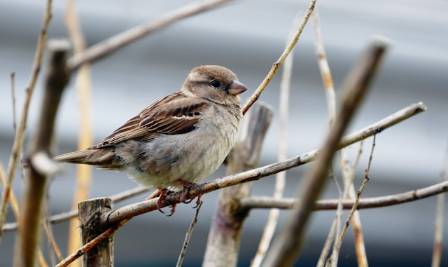
House Sparrows are small perching birds, typically measuring between 13 and 17 centimeters in length. The male is easily distinguished by its bold black bib, white cheeks, and a chestnut-colored nape contrasting with a grey crown. In contrast, the female possesses more subtle beauty, featuring a plain grey chest, a pale buff-colored stripe above the eye, and a back streaked with shades of tan, brown, and black. Juveniles closely resemble adult females, lacking the bold markings of the mature males. Their vocalizations are characterized by a series of shrill, rhythmic chirps and metallic rattles that are common sounds in residential areas.

Behavioral Traits and Habitat Preferences

In North America, the House Sparrow is almost exclusively associated with man-made structures and is rarely found in untouched wilderness. Whether in the heart of a city, a suburban neighborhood, or a lone desert gas station, these birds rely on human-altered environments. They are permanent residents throughout their range, showing no major migratory patterns.

When foraging, House Sparrows primarily hop along the ground searching for food. Their diet consists mostly of seeds, including weed seeds and waste grain, though they are highly opportunistic. In urban areas, they frequently scavenge crumbs left by people or even pick insects off the grills of parked cars. They are also common visitors to backyard bird feeders, where they aggressively compete for a variety of offerings.
Nesting Habits and Reproduction

House Sparrows are social birds that often breed in small colonies. During courtship, the male performs a lively display, hopping near the female with his chest puffed out and tail raised while chirping and bowing. They are highly flexible regarding nesting sites, preferring enclosed niches such as tree cavities, holes in buildings, rain gutters, or birdhouses. In areas where cavities are unavailable, they will build a bulky, globular nest of grass, twigs, and trash directly within tree branches.

A typical brood contains three to six eggs, which are whitish or greenish-grey with darker speckles. Both parents share the duties of incubation—which lasts up to 14 days—and feeding the chicks. Because they can produce two to three broods in a single season, their populations can grow rapidly under favorable conditions.

Conservation Status and Environmental Impact

Globally, the House Sparrow is listed as a species of "Least Concern" by the IUCN, with a staggering estimated population of 740 million individuals. However, their success has sometimes come at a cost to native species. Known for their competitive nature, House Sparrows have been known to evict native birds from their nesting sites.

Interestingly, while they are abundant, their numbers in certain regions have seen a gradual decline from historical peaks. For example, populations in the eastern United States reached their highest levels around the turn of the 20th century and have been slowly decreasing since. Despite these shifts, they remain a dominant fixture of the human landscape, serving as a testament to the ability of wildlife to adapt to a changing, human-dominated world.

संबंधित कहानियाँ

10 ऊंची ऊंची कोंडो इमारतें जो एक स्थायी प्रभाव डालती हैं
hi

10 ऊंची ऊंची कोंडो इमारतें जो एक स्थायी प्रभाव डालती हैं

टावर एक साथ मिलकर एक स्काईलाइन बनाते हैं जो एनर्जी से भरा होता है

वैभव
रैंकिंग: दुनिया की 10 सबसे मशहूर मोटरस्पोर्ट रेस
hi

रैंकिंग: दुनिया की 10 सबसे मशहूर मोटरस्पोर्ट रेस

पहिए डामर पर फिसलते हैं, कार एकदम सही कंट्रोल में है, स्पीड और स्किल का मेल

श्रेया
Essential Insights Into the World of Walruses
en

Essential Insights Into the World of Walruses

Walruses are among the most magnificent wonders of the polar regions. These massive marine mammals play a vital role in the Arctic ecosystem, yet they face increasing challenges due to environmental shifts. Understanding their biology and behavior is the first step toward appreciating these unique ocean dwellers.

Clara Penelope Winslow
चेरी के हमारे 6 पसंदीदा प्रकार
hi

चेरी के हमारे 6 पसंदीदा प्रकार

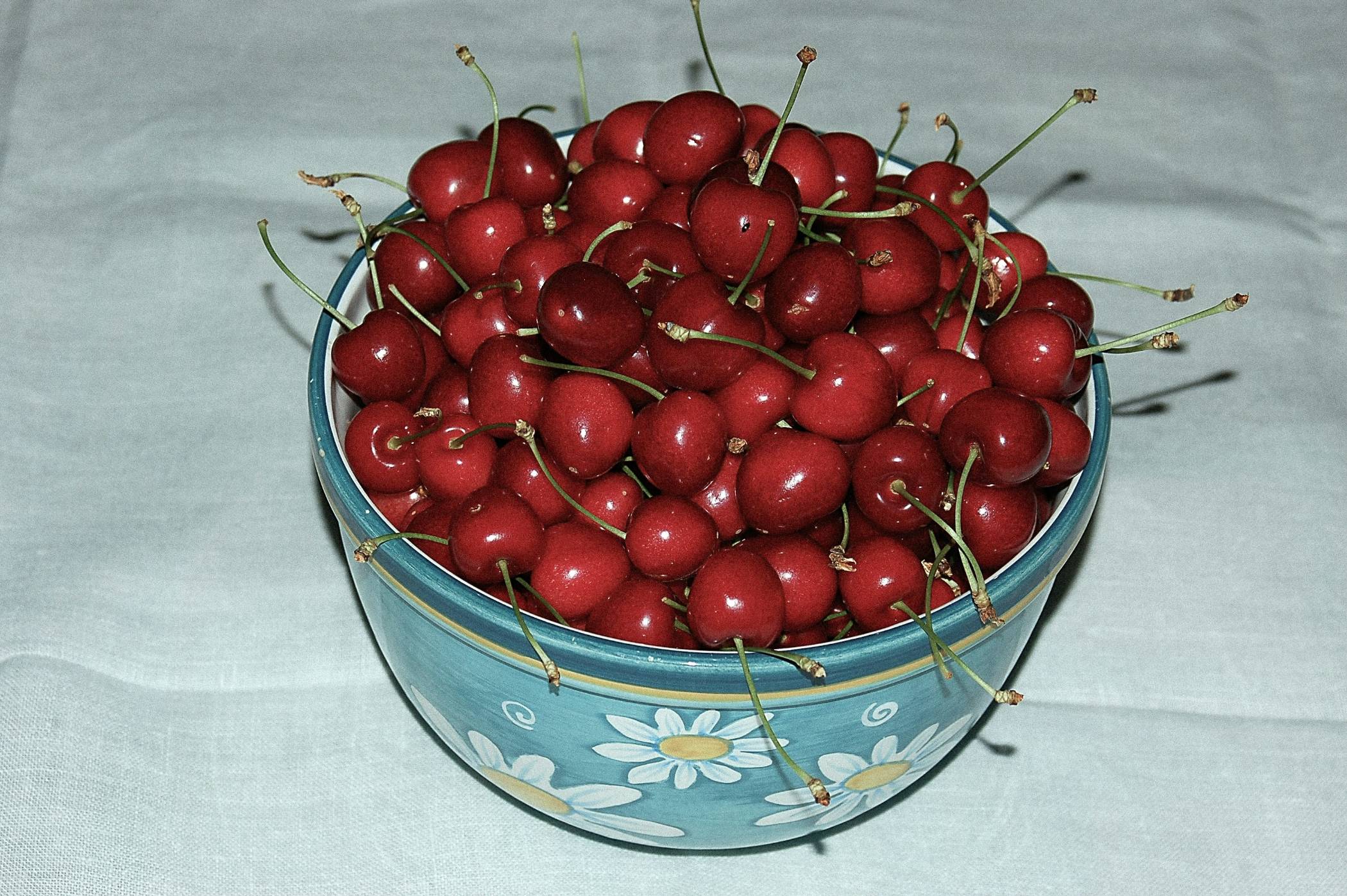
चेरी को खुशमिजाजी, क्लासिक पाई और आइसक्रीम संडे के ऊपर ताजगी देने वाले स्पर्श के साथ जोड़ा जाता है। वे अक्सर हमारे किराने की दुकानों और बाजारों में दिखाई देने वाले पहले गर्मियों के फल होते हैं। वे पत्थर के फलों में सबसे छोटे होते हैं, इसलिए उन्हें अंदर के सख्त गड्ढे के कारण यह नाम दिया गया है। कुछ लोग इसे चेरी के बीज कहते हैं, लेकिन बीज वास्तव में उस गड्ढे के अंदर होता है। ताज़ी चेरी स्वादिष्ट होती हैं, मुट्ठी भर आसानी से खाई जा सकती हैं और व्यंजनों में भी उतनी ही स्वादिष्ट होती हैं। अमेरिका में लगभग एक हज़ार अलग-अलग प्रकार की चेरी उगती हैं, लेकिन ये सबसे आम और लोकप्रिय हैं।

अमन
8 Picture Book Illustration Styles
en

8 Picture Book Illustration Styles

Illustration styles in children’s picture books are incredibly varied, offering a wealth of creative inspiration. Below, I’ve highlighted several notable styles with examples from renowned picture book artists. Each style is distinctive and immediately recognizable.

Caleb Scott
पैरासेलिंग के बारे में आपको जो कुछ भी जानना चाहिए
hi

पैरासेलिंग के बारे में आपको जो कुछ भी जानना चाहिए

पैराग्लाइडिंग आपको एक स्वप्निल यात्रा पर ले जाती है, जहाँ कल्पनाएँ आसमान छूती वास्तविकता से मिलती हैं।

प्रकाश
 सरल इंटीरियर डेकोर टिप्स जो आपके घर को बदल सकते हैं
hi

सरल इंटीरियर डेकोर टिप्स जो आपके घर को बदल सकते हैं

इंटीरियर डेकोरेशन एक आवासीय घर या वाणिज्यिक व्यवसाय को ग्राहक की व्यक्तिगत शैली और प्राथमिकताओं के अनुसार सजाने की कला है। इसमें रंग थीम, फर्नीचर, फ्लोरिंग सामग्री, कलाकृति और सहायक उपकरणों का चयन शामिल है। यह किसी क्षेत्र को सौंदर्यपूर्ण और बजट-अनुकूल डिजाइन में बदल देता है। चाहे आप अभी एक अपार्टमेंट में चले गए हों या आप अपने घर को बिना जेब पर भारी बोझ डाले जल्दी से नया रूप देने के लिए तरीके ढूंढ रहे हों, कुछ सरल इंटीरियर टिप्स हैं जो न्यूनतम प्रयास और लागत के साथ जादू कर देंगे। कभी-कभी सबसे छोटी चीजें सबसे बड़ा प्रभाव डालती हैं। यह एक दर्पण, एक पेंटिंग, एक लैंप या यहां तक कि एक पौधे का जोड़ हो सकता है। हो सकता है कि आप अपनी दीवारों को नरम करना चाहते हों, एक कमरे को रोशन करना चाहते हों, या अपने रहने की जगह में कुछ गर्मजोशी जोड़ना चाहते हों।

मोनिका
पारिस्थितिकी से परे: संस्कृति के केंद्र में पेड़
hi

पारिस्थितिकी से परे: संस्कृति के केंद्र में पेड़

पेड़ों को संरक्षित करने के कई पारिस्थितिक कारण हैं। वे जानवरों को आश्रय प्रदान करते हैं, मिट्टी की उर्वरता को नियंत्रित करते हैं, और जलवायु संकट से निपटने के लिए महत्वपूर्ण हैं क्योंकि वे ग्रीनहाउस गैसों को अवशोषित करते हैं। पेड़ और जंगल दुनिया भर के लोगों के लिए गहरा सांस्कृतिक महत्व भी रखते हैं।

इश
स्वीट पर्सनैलिटी वाली 10 क्यूट डॉग ब्रीड
hi

स्वीट पर्सनैलिटी वाली 10 क्यूट डॉग ब्रीड

आँखें चौड़ी, पूंछ हिलाते हुए, हर कोना एक नया एडवेंचर खोज रहा है

साक्षी
शीर्ष 10 फार्म पशु
hi

शीर्ष 10 फार्म पशु

मैं इस लेख की प्रस्तावना यह बताकर करना चाहूँगा कि ये रैंकिंग वस्तुनिष्ठ रूप से सही हैं और यदि आप मेरी रैंकिंग से असहमत हैं तो आप गलत हैं। आगे बढ़ते हैं।

माही