Introduction
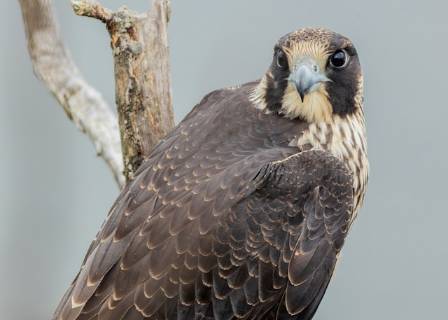
The Peregrine falcon is renowned for one extraordinary achievement: it is the fastest bird in the world when it dives to catch prey. This article revisits the basic facts about its speed, how it compares to other birds, and a few interesting notes about flight in general.
The Speed Record: Dive Velocity
When the Peregrine falcon goes into its hunting dive, it climbs to a great height and then plummets steeply, reaching speeds of up to 240 miles per hour (386 km/h). This spectacular velocity makes it the fastest animal on Earth in a dive, a feat highlighted by BBC video footage that captures the falcon’s headlong descent from the bird’s-eye perspective.
Flight in Level Style: Where Does It Rank?
Despite its legendary dive speed, the Peregrine falcon isn’t the fastest in level flight. In level flight, other birds have recorded higher speeds, such as the spine-tailed swift, clocked at over 100 miles per hour. The Peregrine’s speed record is specific to its hunting dive, not sustained horizontal flight.
Typical Bird Speeds: The Baseline
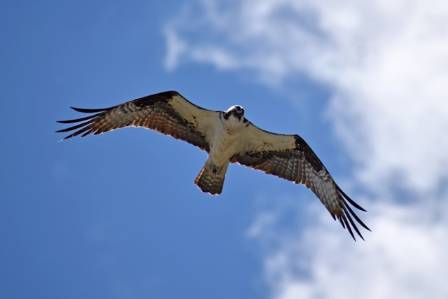
For context, researchers using Doppler radar show that many songbirds cruise around 25 miles per hour (40 km/h). Ducks, certain waterfowl, and racing pigeons can fly faster in level flight. Wind conditions—headwinds or tailwinds—also influence a bird’s actual speed in a given moment.
The Guinness World Records Connection
The notion of “the world’s fastest bird” has an interesting origin. Guinness World Records began amid a debate over Europe’s fastest game bird. In 1951, Sir Hugh Beaver argued about the golden plover’s speed after an unsuccessful shoot, a clash that ultimately sparked the creation of the Guinness World Records—an enduring authority on speed and other feats.
Conclusion
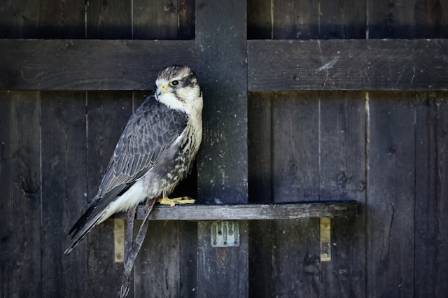
Bottom line: the Peregrine falcon holds the title for the fastest bird in a hunting dive and stands as the fastest animal on the planet in that scenario. Its extraordinary speed is a specialized adaptation for catching prey mid-air, while its level-flight speed sits in line with many other birds.