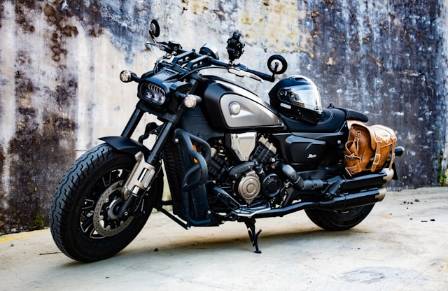
Motorcycles aren’t just fast, fun vehicles—they’re a cultural phenomenon with a rich history and global following. Over roughly 150 years, they’ve evolved from steam-powered curiosities into practical, fuel-efficient machines used by millions worldwide. From their humble beginnings to electric-powered futures, motorcycles offer stories and statistics that thrill enthusiasts and casual riders alike.
Steam-Powered Origins
While many credit Gottlieb Daimler’s 1885 invention as the first motorcycle, an earlier version existed in the U.S. Built by Massachusetts machinist Sylvester H. Roper around 1869, this steam velocipede featured a small vertical boiler under the seat powering pistons that turned the rear wheel. Roper even added a twist handlebar for throttle control—an innovation that predated the American Indian Motorcycle’s design by three decades. Though inventive, steam bikes never caught on.
The First Harley-Davidson
The earliest Harley-Davidson, crafted by William Harley and the Davidson brothers, was modest by today’s standards. Essentially a reinforced bicycle with a single-cylinder motor, it achieved a top speed of just 25 mph. Anecdotes claim a tomato can was even used as a carburetor. Fast forward to 2023, and Harley’s Screamin’ Eagle 135ci Stage IV produces a whopping 130 horsepower, far surpassing its simple beginnings.
Tragic Lessons in Safety
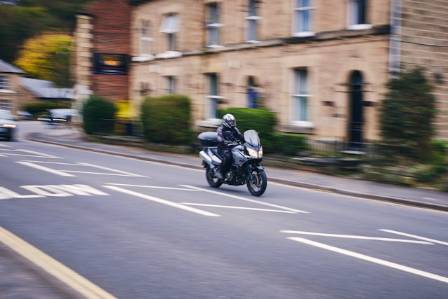
T.E. Lawrence, famed British soldier, tragically died in a 1935 motorcycle accident while riding a Brough Superior SS100. His fatal crash prompted neurosurgeon Hugh Cairns to research head injuries, ultimately leading to helmet safety awareness. While helmets weren’t mandatory until decades later, Lawrence’s story helped save countless lives by influencing modern motorcycling safety standards.
Honda’s Global Dominance
Though Harley-Davidson is iconic in the U.S., Honda reigns worldwide. Founded in 1948 in Japan, the company originally made bicycle engines but has grown into a global leader. In 2022, Honda accounted for roughly 30% of worldwide motorcycle sales. By 2025, they plan to launch 10 new electric motorcycle models, aiming to sell 3.5 million units by 2030.
Record-Breaking Rides
Emilio Scotto holds the record for the longest motorcycle journey. Starting in January 1985 on a Honda Gold Wing GL1100 nicknamed “Black Princess,” he traveled nearly 457,000 miles over more than a decade, visiting nearly every country and island along the way. The bike was refurbished in Japan before the journey’s end, and today resides in a Nevada museum.
Extreme Speed
The Dodge Tomahawk, unveiled in 2003, is a theoretical speed monster. With a four-wheel layout and an 8.3-liter V10 engine producing 500 horsepower, Dodge claimed it could reach 420 mph—later revised to 300 mph. Though street-legal use is impossible, nine units were sold as luxury “rolling sculptures” for $550,000 each.
Origins of “Hog”
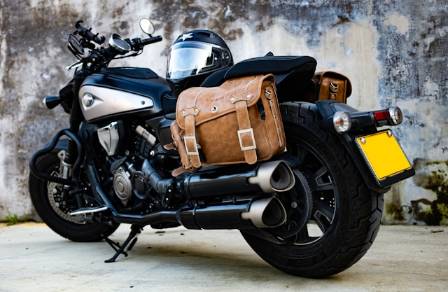
Harley-Davidson motorcycles earned the nickname “hog” from a 1920 racing team. A pig named Johnny served as a mascot for the “Wrecking Crew” team, and media coverage cemented the term. Today, Harley Owners Group (HOG) carries this legacy, with the company trading under the ticker “HOG.”
Motorcycle Ownership in Thailand
Thailand boasts the highest motorbike ownership rate globally, with 87% of households owning at least one motorcycle, narrowly surpassing Vietnam at 86%. Motorcycles are favored for their fuel efficiency and maneuverability in crowded urban streets, with the Honda Wave being particularly popular. Demand for electric bikes in the region continues to grow.
Conclusion
Motorcycles combine speed, culture, and innovation. From Roper’s steam-powered experiments to Honda’s global dominance and extreme record-breaking machines, they have left an indelible mark on transportation and society. For enthusiasts or newcomers, motorcycles offer history, adventure, and a unique connection to the road.