
The journey of gaming machines is nothing short of fascinating. What started as flashing lights and simple joysticks in buzzing arcades has evolved into immersive adventures inside virtual worlds. Each stage of this evolution reflects both technological breakthroughs and the growing appetite for deeper, more engaging play.
Arcade Beginnings
The 1970s and 1980s saw the golden age of arcade cabinets. Games like PAC-MAN, Space Invaders, and Donkey Kong were housed in colorful machines that quickly became cultural landmarks. Players lined up in dimly lit arcades, battling for high scores while sharing the experience with friends and strangers alike. Though their popularity has faded, these cabinets laid the groundwork for everything that followed.

The Rise of Home Consoles
The late 1970s introduced a revolution: bringing the arcade into the living room. Atari’s 2600 made home gaming mainstream, followed by the Nintendo Entertainment System and Sega’s Mega Drive. Each system introduced new mechanics, iconic characters, and unforgettable titles. By the mid-1990s, Sony’s PlayStation changed the landscape once again, swapping cartridges for CDs and delivering richer graphics and deeper gameplay. Consoles had firmly cemented themselves as household staples.
Power of the Personal Computer
When personal computers became more affordable in the 1980s, they opened new doors for gaming. PCs were not limited to one machine per title—they offered flexibility, creativity, and vast potential. Classics like Doom, Warcraft, and The Sims showcased the sheer diversity of what could be created on this platform. The introduction of online multiplayer in the late 1990s added a social dimension, connecting players worldwide and establishing communities that remain vital today.
Handheld Adventures
Portability reshaped gaming once more. Nintendo’s Game Boy in 1989 allowed gamers to take adventures on the go, turning train rides and lunch breaks into gaming sessions. Later innovations like the Nintendo Switch blended handheld and console play, offering versatility like never before. Compact yet powerful, handheld devices proved that fun doesn’t need to be tethered to the living room.
The Era of Mobile Gaming
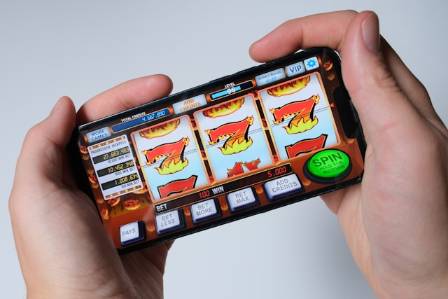
With the rise of smartphones in the late 2000s, gaming became accessible to nearly everyone. The launch of app stores transformed mobile phones into miniature arcades, delivering puzzles, adventures, and competitive experiences at the tap of a screen. Augmented reality titles and experiments with mobile VR further expanded possibilities, proving that even a phone can be a portal into new worlds.
Virtual Reality Takes Center Stage
While prototypes of virtual reality date back decades, it was the mid-2010s when VR truly broke through. Headsets like the Oculus Rift, HTC Vive, and PlayStation VR immersed players in fully interactive environments. Motion tracking, 360-degree sound, and realistic graphics allowed games to feel more like lived experiences than passive entertainment. Although still evolving, VR represents the boldest step yet toward merging digital and physical realities.
Conclusion
From the neon glow of arcades to the boundless realms of virtual reality, gaming machines have constantly reinvented themselves to match both technological potential and human imagination. Each leap—whether through consoles, PCs, handhelds, or VR—has redefined what it means to play. Looking ahead, the only certainty is that gaming will continue to surprise, innovate, and captivate players across the globe.