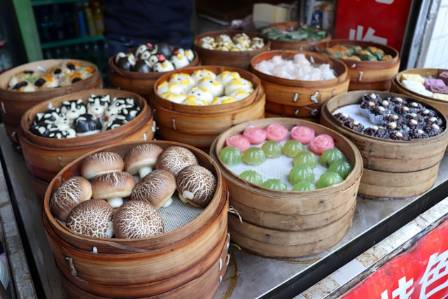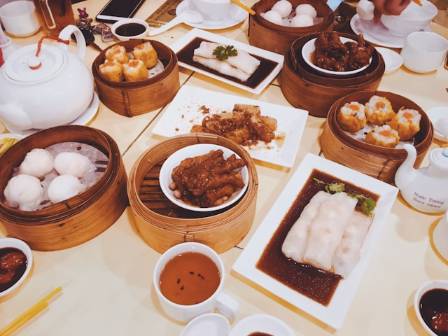
Few food customs embody the idea of communal enjoyment like Cantonese dim sum. Originating in the teahouses of Guangzhou and Hong Kong, dim sum combines cuisine, culture, and family into one delightful experience. Whether served in bamboo steamers at a traditional tea house or sold at bustling street stalls, these small bites have become a cherished part of Chinese cuisine and, increasingly, the global culinary scene.
The Roots of Dim Sum
The term dim sum literally translates to “touch the heart.” It started as light snacks offered alongside tea to travelers along southern Silk Road routes. Over time, this evolved into the Yum Cha tradition — an experience of tea drinking accompanied by a variety of small dishes.
Nowadays, dim sum is as much a social occasion as a meal, where families gather on weekends to share conversation, sip tea, and enjoy a variety of bite-sized dishes.
Beyond Teahouses: Cantonese Street Food
The street food culture of southern China is lively, fast, and inventive. Common snacks include:
Fish balls — springy, flavorful, often served on skewers.
Curry beef brisket — a unique Hong Kong-style East-meets-West dish.
Sweet tofu pudding — soft, silky, enjoyed hot or cold.
Egg waffles — crunchy on the outside, tender inside, now popular worldwide on social media.
These snacks highlight the playful creativity of Cantonese cuisine, balancing taste, texture, and aroma in every bite.
Tea: The Heart of Dim Sum
No dim sum meal is complete without tea. Traditional pairings include:
Pu-erh — aids digestion, ideal with fried dishes.
Oolong — harmonizes richness and sweetness.
Chrysanthemum — floral, cooling, especially refreshing in summer.
Ordering tea signals the start of the meal, emphasizing that dim sum is as much about conversation and connection as it is about food.
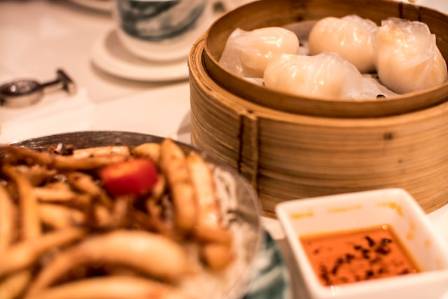
Cultural Importance
Dim sum embodies community, mindfulness, and moderation — encouraging diners to savor each bite, appreciate flavors, and spend quality time with loved ones. These values echo Confucian and Cantonese ideals of harmony and hospitality.
Modern Adaptations
From Michelin-starred dim sum restaurants in Hong Kong to fusion food trucks in New York and London, dim sum has achieved global recognition. Modern chefs experiment with ingredients like truffle, matcha, or plant-based fillings, yet the tradition of sharing remains central.
Cantonese dim sum and street snacks are more than food — they are expressions of culture and culinary artistry. Whether in Guangzhou sipping tea or in San Francisco grabbing takeout, every bite carries a story connecting past and present, East and West.
FAQ
Q1: What is the difference between dim sum and Yum Cha?
Dim sum refers to the dishes themselves, while Yum Cha is the full experience of drinking tea alongside them.
Q2: When is dim sum typically served?
Traditionally in the morning or early afternoon, but many restaurants now serve it all day.
Q3: Are dim sum dishes always steamed?
No — they can be steamed, fried, baked, or boiled. Variety is a key feature.
Q4: Which teas pair best with dim sum?
Pu-erh and Oolong teas are classic choices, aiding digestion of rich foods.
Q5: Is dim sum exclusively Cantonese?
While most dim sum is Cantonese, other regions have similar small-dish traditions, such as Sichuan snacks or northern-style dumplings.