
In the chronicles of automotive progress, a handful of sports cars achieved more than just impressive performance—they transformed design language and reimagined the essence of speed, style, and engineering. Spanning decades of innovation, these ten vehicles each set a new benchmark, blending beauty and function in ways that continue to inspire.
Alfa Romeo 33 Stradale (1967–1969)
Marrying race-bred engineering with sculptural elegance, the Alfa Romeo 33 Stradale featured a mid-engine configuration in an exquisitely proportioned body. Its butterfly doors and ultra-low stance made it one of the most striking road cars of its time, while its rarity cemented its status as a coveted classic.
Lancia Stratos Zero (1970 Concept)
A bold experiment in form, the Lancia Stratos Zero concept stunned the industry with its ultra-low wedge profile and futuristic canopy-style entry. Designed by Marcello Gandini for Bertone, it was a vision of sci-fi aesthetics decades ahead of its time.
Dodge Viper (1991)
With its extended hood, muscular haunches, and unapologetically aggressive posture, the Dodge Viper delivered raw, analog performance. Powered by a massive V10 and devoid of driver aids, it embodied the spirit of pure American muscle fused with aerodynamic intent.
Pagani Zonda (1999)
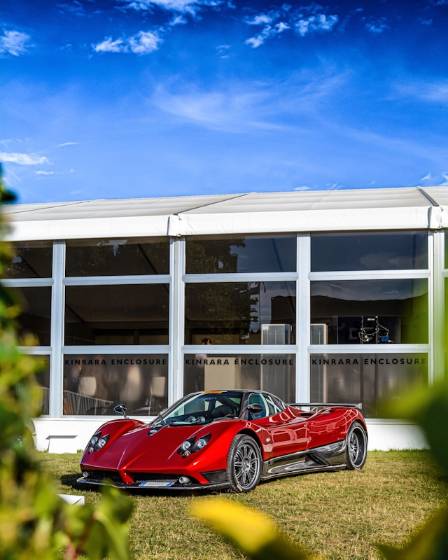
The Zonda elevated hypercar design into the realm of fine art. Every curve and surface was sculpted with precision, using lightweight carbon fiber to achieve both beauty and performance. Inside, exposed metal details and meticulous craftsmanship further underscored its artisanal approach.
Maserati MC12 (2004)
Sharing its underpinnings with the Ferrari Enzo, the MC12 presented a longer, smoother, and more fluid silhouette. It combined aerodynamic efficiency with graceful lines, balancing motorsport DNA with grand touring sophistication.
Venturi Fétish (2004–2007)
One of the earliest all-electric sports cars, the Venturi Fétish proved that electric propulsion could coexist with sleek, performance-oriented styling. Its lightweight frame and futuristic lines hinted at a new chapter for sports car design.
Koenigsegg CCX (2006)
Cutting-edge materials and clean aerodynamic geometry defined the CCX. Its carbon-fiber monocoque and distinctive dihedral doors created a futuristic identity, blending power and efficiency in a package unmistakably ahead of its time.
Nissan GT-R (2007)
Nicknamed “Godzilla,” the GT-R combined twin-turbocharged power with advanced all-wheel-drive and high-speed computing. Its shape, while unconventional, was engineered for precision airflow and stability, offering supercar performance with everyday usability.
Lamborghini Aventador (2011)
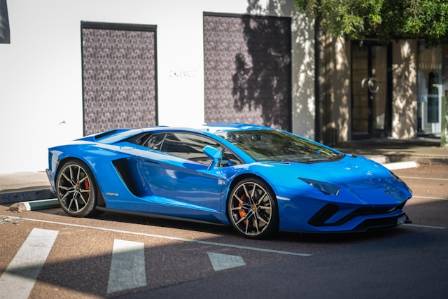
Aggressive lines, expansive air intakes, and a V12 heart define the Aventador. Its angular bodywork and low, wide stance became the modern face of Lamborghini, continuing the brand’s tradition of visual drama paired with uncompromising speed.
Aston Martin Valkyrie (2019)
Developed with Formula 1 expertise, the Valkyrie brought race-car aerodynamics to the street. Its extreme weight-saving measures, hybrid powertrain, and sculpted bodywork exemplify the pinnacle of modern hypercar engineering.