Situated at the heart of Beijing, the Forbidden City stands as a monumental testament to China's imperial history. Spanning over 180 acres and comprising nearly 1,000 buildings, this vast complex was the imperial palace for 24 emperors during the Ming and Qing dynasties. Today, it serves as the Palace Museum, housing an extensive collection of artworks and historical artifacts. A visit to the Forbidden City offers a unique glimpse into China's rich cultural heritage.
Architectural Grandeur and Layout
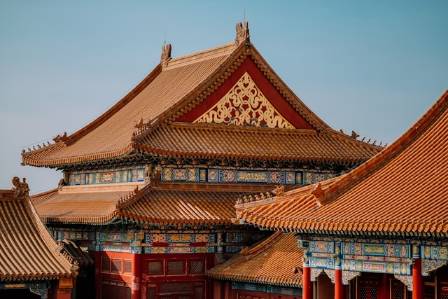
The Forbidden City is an architectural marvel, designed to reflect the universe's harmony and the emperor's supreme authority. Its layout is meticulously planned along a central north-south axis, symbolizing the emperor's role as the "Son of Heaven." The complex is divided into two main sections: the Outer Court, where state affairs were conducted, and the Inner Court, which served as the emperor's residence and administrative center.
Must-See Highlights
Meridian Gate (午门)
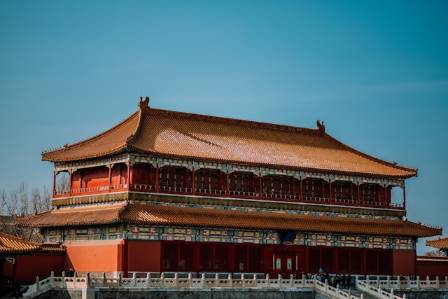
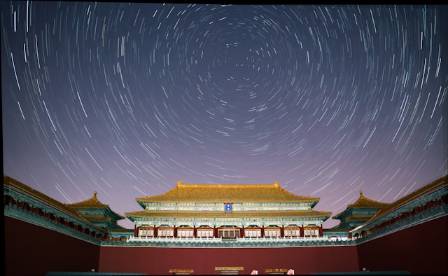
Serving as the main entrance, the Meridian Gate is the largest and most imposing gate of the Forbidden City. Visitors can ascend to the upper level for panoramic views of the entire complex.
Hall of Supreme Harmony (太和殿)
This grand hall is the largest structure in the Forbidden City and was used for major state ceremonies, including the emperor's coronation and the granting of military commands. Its majestic design and historical significance make it a focal point for visitors.
Palace of Heavenly Purity (乾清宫)
Once the emperor's residence, this palace later became the administrative center of the Qing dynasty. Its elegant interiors and historical artifacts offer insight into imperial life.
Imperial Garden (御花园)
Located in the northern part of the Forbidden City, the Imperial Garden features traditional Chinese landscaping, including ancient cypress trees, rockeries, and pavilions. It served as a retreat for the royal family and is a serene spot for visitors to explore.
Practical Visitor Information
Opening Hours and Ticketing
The Forbidden City is open daily, with varying hours depending on the season. Tickets can be purchased online or at the entrance, but it's advisable to book in advance during peak tourist seasons. A valid passport is required for entry.
Best Time to Visit
To avoid the largest crowds, plan your visit early in the morning or later in the afternoon. Weekdays are generally less crowded than weekends. Avoid visiting during major Chinese holidays, such as National Day and Chinese New Year, when the site experiences a surge in visitors.
Guided Tours
Engaging a guide can enrich your experience, providing historical context and insights into the complex's architecture and artifacts. Audio guides are also available in multiple languages.
Nearby Attractions
Jingshan Park (景山公园)
Located just north of the Forbidden City, Jingshan Park offers a hilltop vantage point for a panoramic view of the palace complex. It's a popular spot for photography and relaxation.
Tiananmen Square (天安门广场)
Adjacent to the southern entrance of the Forbidden City, Tiananmen Square is one of the world's largest public squares and a significant historical site. It hosts various national ceremonies and is surrounded by important landmarks.
Cultural Etiquette and Tips
Respect the Site: The Forbidden City is a UNESCO World Heritage Site. Maintain decorum and avoid loud noises.
Photography: Photography is allowed in most areas, but flash photography and tripods are prohibited in certain exhibitions.
Dress Comfortably: Wear comfortable footwear, as exploring the vast complex involves considerable walking.
Stay Hydrated: Bring water, especially during summer months, as the expansive grounds can be quite warm.
Conclusion
A visit to the Forbidden City is a journey through China's imperial past, offering a unique blend of architectural beauty, historical significance, and cultural richness. Whether you're a history enthusiast, architecture admirer, or casual traveler, the Forbidden City provides an unforgettable experience that brings China's dynastic history to life.