7 Pro Styling Tips to Elevate Your Formal and Smart-Casual Looks
Suit, shirt, and tie—this timeless trio is often hailed as a fail-safe uniform for formal and semi-formal occasions. But while it’s hard to go drastically wrong, nailing the perfect combination can elevate your look from “polished” to “memorable.” Matching a tie to a shirt isn’t just about picking two pieces that look nice individually; it’s about balancing color, pattern, texture, and proportion to create a cohesive ensemble that reflects your style. Whether you’re dressing for a high-stakes meeting, a wedding, or a special event, these seven pro tips will take the guesswork out of shirt-and-tie pairing, helping you feel confident and look sharp every time.
Start with a Focal Garment: Build Your Outfit Around a Statement Piece
The easiest way to master shirt-and-tie pairing is to begin by choosing a “focal garment”—the piece you want to stand out most—and building the rest of your look around it. This focal point could be anything from a bold, colorful tie or a patterned blazer to a pair of eye-catching suede shoes or a vibrant pocket square. By centering your outfit on one standout item, you avoid visual clutter and ensure each piece complements rather than competes with the others. For example, if you’re wearing a new navy blue silk tie with a subtle floral pattern (your focal point), opt for a crisp white or light blue shirt and a neutral gray suit to let the tie shine. If your focal piece is a textured tweed blazer with earthy tones, pair it with a muted solid shirt (like soft beige or pale green) and a tie in a complementary hue (think burnt orange or deep brown) that pulls out one of the blazer’s accent colors. This approach takes the stress out of mixing and matching, as every other piece serves to highlight your chosen statement item.
Master Color Combinations: Understand the Basics of Hue Harmony
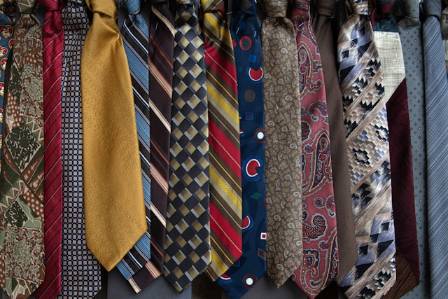
Color is the foundation of any successful shirt-and-tie combo, and while color theory can get complex, you only need to grasp three key principles to create cohesive looks: monochromatic, complementary, and adjacent color pairings. Monochromatic looks use varying tones of the same color—think sky blue shirt, royal blue tie, and navy blue suit—to create a sleek, sophisticated vibe that’s easy to pull off. This is ideal for formal settings where you want to look polished without being overly bold. Complementary colors sit opposite each other on the color wheel (e.g., orange and blue, red and green, yellow and purple) and create striking contrast that makes both hues pop. For a modern twist on formal wear, pair a light blue shirt with an orange tie and a charcoal suit—perfect for events where you want to stand out subtly. Adjacent colors (next to each other on the color wheel, like emerald green, lime green, and yellow) offer a harmonious, low-contrast look that’s great for smart-casual occasions. A pale yellow shirt paired with an emerald green tie, for instance, feels fresh and cohesive without being too loud. Remember, a white shirt is your ultimate blank canvas: it works with any color or patterned tie, making it a versatile staple for every wardrobe. For inspiration, think of John Wick’s iconic all-black monochromatic look—elevated with subtle tone variations—then add your own flair with a pop of color or texture.
Follow the Golden Rule: Your Tie Should Never Be Lighter Than Your Shirt
This is one of the most important rules in shirt-and-tie pairing, and for good reason: a lighter tie on a darker shirt looks jarring, dated, and unbalanced. Imagine a pastel pink tie with a charcoal gray shirt or a pale yellow tie with a navy blue shirt—these combinations create a washed-out effect that draws attention for the wrong reasons. Instead, your tie should always be a darker shade than your shirt to create visual depth and hierarchy. For example, pair a light pink shirt with a deep burgundy tie, a sky blue shirt with a navy blue tie, or a soft beige shirt with a chocolate brown tie. This rule ensures that the tie stands out as a deliberate accessory rather than an afterthought, and it works for both solid and patterned pieces. Even with monochromatic looks, the tie should be a deeper tone of the shirt’s color—think a light gray shirt with a charcoal gray tie—to maintain contrast and keep the outfit from looking flat.
Match One Shade from a Patterned Tie to Your Shirt
Patterned ties add instant personality and character to an outfit, but they can feel intimidating to pair with shirts. The secret? Keep the shirt simple (solid or subtly textured) and pick one color from the tie to match with the shirt. This creates a cohesive link between the two pieces without overwhelming the eye. For example, a bold paisley tie in purples and deep pinks pairs beautifully with a light lilac shirt—pulling the purple hue from the tie to create harmony. A striped tie with navy, red, and white stripes works perfectly with a navy blue shirt, as the navy shade ties the two pieces together. Even playful patterns like animal prints (think subtle leopard or zebra) can be paired with solid shirts: a black-and-white leopard print tie looks sharp with a white shirt, while a brown leopard print tie complements a tan or light brown shirt. The key is to avoid mixing busy patterns (like a floral tie with a striped shirt) unless you’re an experienced stylist—stick to a solid shirt to let the patterned tie be the star.
Mix Patterns with Confidence: Opt for Monochrome and Size Contrast
Mixing patterns (e.g., a striped shirt with a spotted tie) can elevate your look to new heights, but it requires a bit of finesse. The easiest way to pull it off is to stick to monochrome patterns (same color family) and vary the size of the patterns. For example, a light blue shirt with fine vertical stripes pairs beautifully with a navy blue tie with large polka dots— the monochrome color scheme keeps it cohesive, while the contrasting pattern sizes (small stripes vs. large dots) create visual interest. Another winning combination: a white shirt with a subtle herringbone pattern (small, textured pattern) paired with a black tie with wide horizontal stripes (large, bold pattern). The rule of thumb is: the larger the pattern on the tie, the smaller the pattern on the shirt (and vice versa). This avoids visual clutter and ensures each pattern has room to breathe. If you’re new to mixing patterns, start with neutral colors (black, white, gray, navy) to keep it safe, then gradually add color as you gain confidence. Remember, the goal is balance—if your tie has a detailed, busy pattern, your shirt should be a relatively blank canvas, and vice versa.
Embrace Texture: Add Depth with Fabric Contrast
Texture is often overlooked in shirt-and-tie pairing, but it’s a powerful tool for adding visual and tactile depth to your outfit. Different fabrics interact with light and each other in unique ways, creating interest even with neutral colors. Crisp, smooth fabrics like poplin or broadcloth shirts pair beautifully with lightweight, glossy fabrics like pure silk ties—both feel refined and complement each other’s sleekness, making this combo ideal for formal events like weddings or job interviews. For a more relaxed, smart-casual look, pair a textured shirt (like Oxford weave, dobby, or flannel) with a tie made from a heavier fabric (like wool, linen, or knitted silk). An Oxford cotton shirt in light blue, for example, works wonderfully with a thick wool tie in navy blue— the contrast between the shirt’s structured weave and the tie’s soft texture adds warmth and dimension. You can also experiment with texture contrast: a smooth poplin shirt paired with a knitted tie creates a modern, playful look, while a textured twill shirt in white can be paired with any tie fabric (silk, wool, linen) as long as the colors are cohesive. The key is to avoid mixing too many heavy textures (e.g., a flannel shirt with a wool tie and a tweed blazer) as this can look bulky and fussy—take a step back and check the mirror to ensure the overall look feels balanced.
Keep Fail-Safe Combinations in Your Wardrobe
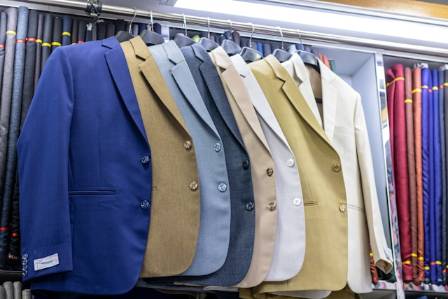
Having a few tried-and-tested shirt-and-tie combos in your repertoire ensures you’re ready for any occasion—from important work meetings to family birthdays and weddings. These go-to pairings are timeless, versatile, and require no guesswork:
White shirt + navy blue tie + charcoal gray suit: The ultimate formal combo, perfect for job interviews, board meetings, or black-tie optional events.
Light blue shirt + gray tie + black suit: A sophisticated smart-casual look that works for client meetings or evening dinners.
Pale pink shirt + burgundy tie + navy blue suit: Ideal for weddings or celebratory events—romantic yet refined.
Soft beige shirt + chocolate brown tie + tan suit: A warm, earthy combo for autumn or winter events, perfect for outdoor weddings or daytime gatherings.
As you grow more confident in your styling skills, don’t be afraid to experiment with bolder combinations—like a lavender shirt with a plum tie or a mint green shirt with a forest green tie—to express your personality. The most important takeaway? A great shirt-and-tie combo should make you feel sharp, put-together, and comfortable. If you’re unsure, stick to the basics, but don’t be afraid to take small risks—fashion is about self-expression, and the best looks are those that feel authentic to you.