The development of artificial intelligence, computational modelling, and simulation technologies has significantly improved the ability to test “what-if” scenarios during product design and development across many industries.
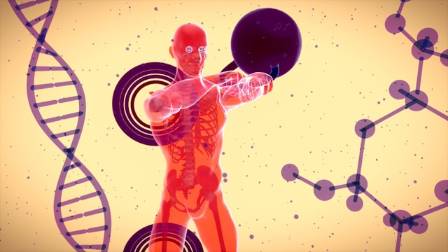
At the center of this progress is Digital Human Modelling (DHM), a technology that creates computer-based representations of humans, including their physical attributes and diverse characteristics, for virtual analysis and design.
Digital human models are widely used to support innovation in fields such as automotive engineering, aerospace, fashion design, and healthcare. Although DHM has existed for many years, its capabilities and real-world uses continue to expand rapidly. A deeper exploration of its applications reveals how influential this technology has become in modern research and industry.
Why Digital Human Modelling is Important
“DHM fundamentally relies on computational methods to recreate and simulate the human body in a detailed and comprehensive way,” explains Professor Sofia Scataglini, a biomedical engineering specialist and leading researcher in digital human simulation.
According to Scataglini, these virtual human models can be combined with other digital systems to evaluate and design products, environments, and workplaces in relation to human interaction. This makes it possible to better understand how people physically engage with different systems and designs.
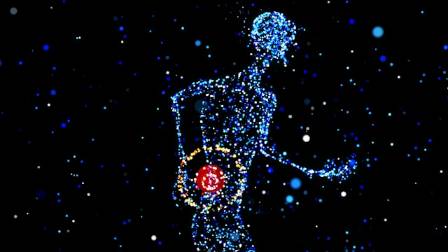
The potential applications are extensive. In healthcare and medical research, DHM is being used alongside 4D body scanning technologies that capture not only body shape but also movement and posture changes over time. This approach, known as 4D anthropometric analysis, allows researchers to study motion tasks such as walking patterns or posture adjustments in a completely non-invasive way.
In addition, DHM can be applied in virtual environments for personalized learning systems and interactive simulations. It is also used in biomechanical modelling of the musculoskeletal system, supporting advanced research simulations. When combined with artificial intelligence, DHM enables predictive modelling that can assist in medical diagnostics and clinical decision-making.
Beyond these areas, the technology is also being incorporated into chatbots, smart medical devices, and other digital systems.
The Role of Human-Centred Design
Because digital human models are often used in products and systems directly operated by people, human-centred design is closely linked to DHM applications. Accurate human simulation helps designers better understand user difficulties by reflecting real body shapes, movements, and limitations.
Experts like Scataglini emphasize that human-centred design ensures the needs, abilities, and accessibility requirements of different user groups are properly considered. This approach is especially important when designing technologies for elderly users or individuals with limited technical experience.
For example, older adults may face challenges when interacting with modern digital systems. DHM can help designers identify these barriers and develop more accessible solutions. It can even support the creation of intelligent interfaces that act as virtual assistants, potentially modeled after familiar voices or digital representations of caregivers or family members, helping users feel more comfortable and supported.
The Need for Standardization
As DHM and human-centred technologies continue to develop, standardization becomes essential to ensure compatibility, safety, and reliability across different applications and industries, particularly in healthcare.
Organizations such as the International Electrotechnical Commission (IEC) play an important role in establishing these standards. The joint IEC and ISO committee SC 41 focuses on Internet of Things (IoT) standards, helping ensure consistent performance and interoperability across technologies.
Professor Scataglini actively contributes to these international standardization efforts through her involvement with national, European, and global organizations such as NBN, CENELEC, ISO, and IEC. She also promotes knowledge sharing and collaboration by organizing an annual International Congress on Digital Human Modelling and publishing influential academic works, including her recent book on human-centred design in healthcare innovation.
Her outstanding contributions to research and technological advancement in this field have earned her recognition and awards for excellence in scientific achievement.